Current issue
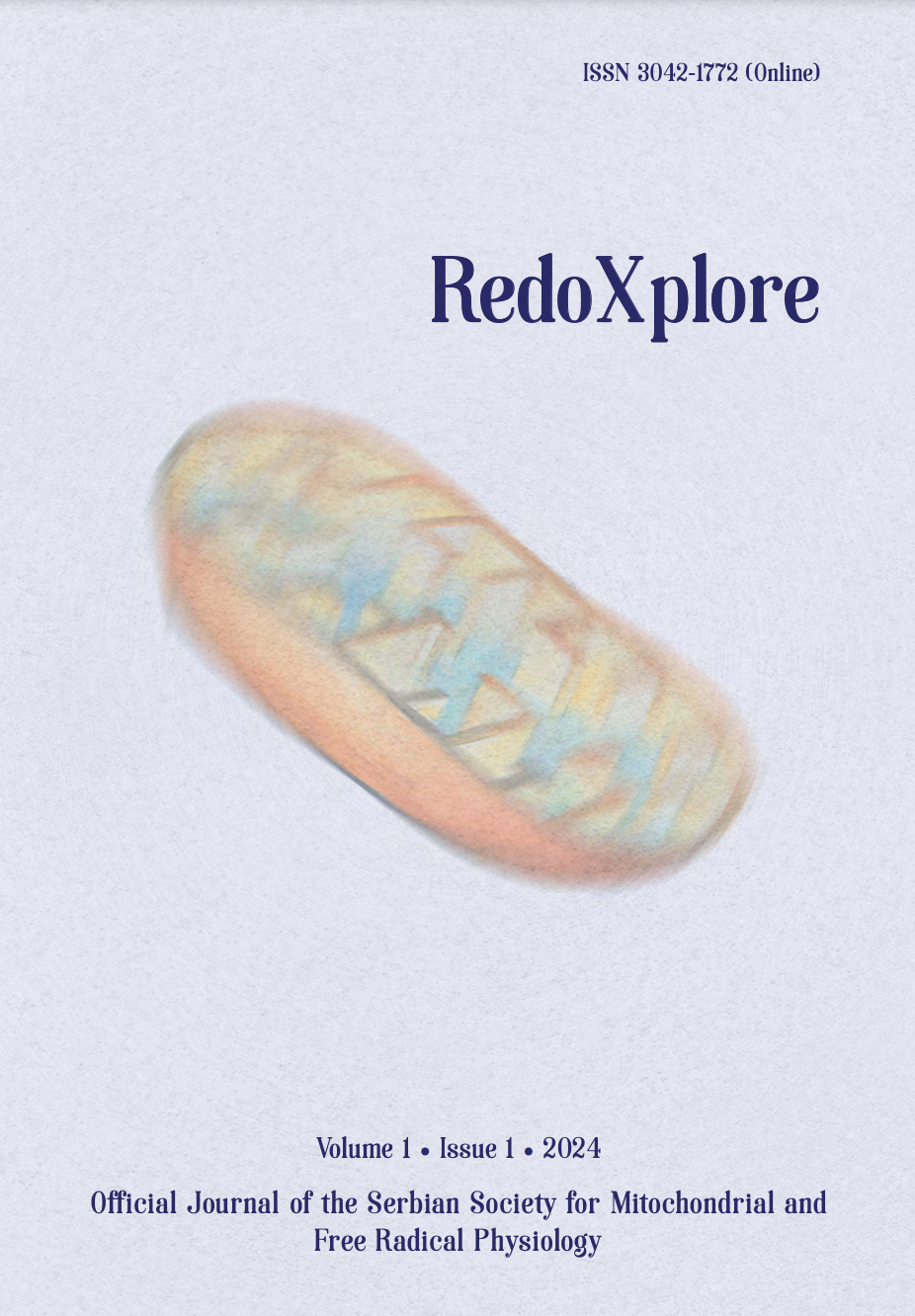
Volume 1, Issue 1, 2024
Online ISSN: 3042-1772
Volume 1 , Issue 1, (2024)
Published: 29.08.2024.
Open Access
All issues

Contents
29.08.2024.
Professional paper
REDOX AND METABOLIC REPROGRAMMING OF BREAST CANCER CELLS AND ASSOCIATED ADIPOSE TISSUE - THE CORNERSTONES OF ADAPTIVE TUMOUR BEHAVIOUR
A high proliferation rate and the malignancy of cancer cells are favoured by redox and metabolic plasticity, which is determined by the co-evolution of cancer cells with their host microenvironment. The tight functional connections between the mammary glands' epithelium and adipose tissue (AT) allow breast cancer cells to subjugate the AT and form a protumorigenic cancer-associated adipose tissue (CAAT). Our findings in luminal invasive ductal carcinomas in premenopausal women confirmed key cancer cell strategies - the Warburg effect, increased mitochondrial metabolism and redox adaptability, which are associated with a specific shift in the metabolic and redox phenotype of CAAT. Notably, the upregulated master redox-sensitive transcription factor Nrf2 appears to be responsible for the cancer cell-induced redox and metabolic shift of CAAT. We also investigated the role of Nrf2 in the metabolic co-evolution of cancer cells and CAAT during disease progression. Our results in the orthotopic breast cancer mouse model and in the co-culture of breast cancer cells with adipocytes confirmed the different spatiotemporal redox and metabolic properties of cancer cells and CAAT, established with respect to the Nrf2-coupled/uncoupled tumour microenvironment. The uncovered metabolic and redox strategies adopted by breast cancer cells according to CAAT properties and at different disease stages have helped to better understand the biology of the aggressive disease and to identify breast cancer vulnerabilities that could become therapeutic targets.
This research was supported by the Science Fund of the Republic of Serbia, #7750238, Exploring new avenues in breast cancer research: Redox and metabolic reprogramming of cancer and associated adipose tissue - REFRAME.
Aleksandra Janković, Tamara Zakic, Biljana Srdic-Galic, Aleksandra Korac, Bato Korac
29.08.2024.
Professional paper
TRIAL READINESS IN MITOCHONDRIAL MEDICINE
Mitochondrial diseases, characterized by dysfunction in the cellular powerhouse, the mitochondria, present a complex and heterogeneous group of disorders. As research in mitochondrial medicine advances, the need for effective therapies becomes increasingly apparent. Collaborative efforts among researchers, clinicians, regulatory bodies, patient advocacy groups and other stakeholders are crucial to overcome the challenges linked to the complexity of mitochondrial medicine, and to ensure the successful implementation of clinical trials in this field. This lecture explores the key aspects of trial readiness in the context of mitochondrial medicine, emphasizing the challenges and opportunities in designing and executing successful clinical trials. An overview of the ongoing clinical trials will be also provided.
Michelangelo Mancuso
29.08.2024.
Professional paper
BIOIMAGING AND CHEMOGENETICS IN REDOX METABOLISM STUDIES
A deep understanding of the roles of redox metabolites and pathways in physiology and pathology requires molecular tools that enable both visualization of these processes and their selective modulation. Over the last two decades, a number of genetically encoded fluorescent biosensors for key redox metabolites have been developed, allowing real-time detection in living systems of varying complexity. Recent developments in this area include the ultrasensitive probe HyPer7 and a new fluorogenic probe, HyPerFAST, which enables even more sensitive H2O2 detection across any chosen optical range, from blue to near-infrared. Complementary to imaging with biosensors, chemogenetics offers tunable substrate-dependent modulation of metabolic pathways, allowing the study of normal cell functioning and modeling dysfunctions caused by abnormal pathway activity and/or metabolite levels. We will present recent developments in this area that include insights on oxidative stress brought about by the use of D-amino acid oxidase (DAO) and intriguing details of the Warburg effect brought about by a new mitochondrial "booster," Grubraw, based on bacterial D-amino acid dehydrogenase.
Vsevolod Belousov
29.08.2024.
Professional paper
CO3•−, THE RADICAL THAT CONNECTS PEROXYNITRITE AND FENTON CHEMISTRY
Oxidative biochemistry centered about 35 years ago on the one-electron reduction of H2O2 by Fe2+, the Fenton reaction, to yield HO· and a Fe(III)-complex. The discovery that NO· is formed in vivo and that it reacts with O2·− at a diffusion-controlled rate led to ONOO− as an additional oxidant. The rate constant of the Fenton reaction is 53 M−1s−1 up to about pH 4, but above it the rate constant increases linearly with pH. This acceleration of the Fenton reaction led to the hypothesis that above pH 5 formation of FeO2+ predominates. Thermodynamically, this species is comparable to HO· as an oxidant. HCO3− accelerates the reaction even more, and convincing evidence has been presented that the complex of Fe2+ with CO32− reacts with H2O2 to form CO3·− and a Fe(III)-complex, conceivably via FeO2+ as an intermediate. The rapid reaction of ONOO− with CO2 (k > 107 M−1s−1) leads to ONOOCO2− that, depending on the CO2 concentration, yields varying amounts of NO2· and CO3·−. These two oxidizing radicals together nitrate aromatic residues. Compared to 35 years ago, oxidative biochemistry is no longer concerned with the indiscriminate oxidations and additions of HO·, but with the more selective reactions of CO3·− and NO2·.
Willem H Koppenol
29.08.2024.
Professional paper
MITOCHONDRIAL TESTS THAT EXPOSE DISEASE CLUES AND LIFESTYLE EFFECTS
The impairment of mitochondrial respiration, observed in neurodegenerative and cardiovascular disease, diabetes, cancer, and migraine headaches, has emerged as a biomarker of mitochondrial dysfunctions. Chronic fatigue, depression, and other behavior/mood disorders are also associated with mitochondrial malfunctioning, but so is our lifestyle! Our lab offers tests for insight into mitochondrial fitness, linking not only diseases but also behaviors and modern lifestyles that lead to health damage. Firstly, we focused on 88 (relatively) healthy volunteers, of which 32% were taking some medication (such as for high blood pressure or mood disorders), however, they considered themselves fit and healthy. The blood was drawn 3h before PBMC (peripheral blood mononuclear cells) isolation, followed by an immediate Seahorse XF Cell Mito Stress Test (Agilent) on the SeahorseXF96e instrument (Agilent). Parameters of mitochondrial respiration were carefully examined. There was a significant difference between BHI (bioenergetic health index), reserve capacity, coupling efficiency, and proton leak, between people who took medication for chronic but manageable comorbidities and completely healthy individuals. Later, in another group we examined the alterations in NAD+ levels (by Q-NADMED Blood NAD+ assay kit, NADMED) and mitochondrial respiration parameters in a binge-drinking session (consuming 10 or more units of alcohol in less than three days). The decrease in NAD+ levels was positively correlated with the amount of alcohol consumed. Additionally, total NAD+ levels positively correlated with the BHI. In another experiment, supplementation with niacin for 20 days, did not increase NAD+ levels in (relatively) healthy individuals. Apart from mitochondrial respiration and NAD+ levels, we focus on optimizing tests for mtDNA count and mitochondrial potential. All of these tests not only explore disease but also serve to monitor behaviors that lead to health damage or improvements.
Ksenija Vujacic-Mirski, Stephan Sudowe
29.08.2024.
Professional paper
NEUROPEPTIDE Y DISRUPTS REDOX BALANCE IN HUMAN EXTRAVILLOUS TROPHOBLASTS
Human extravillous trophoblasts play a key role in implantation, placentation, and successful pregnancy outcomes due to their ability to migrate and invade through the uterine spiral arteries. Abnormalities in the trophoblasts' migratory and invasive abilities may result in insufficient remodeling of the uterine spiral arteries. This leads to the development of preeclampsia, a syndrome in pregnancy. Neuropeptide Y (NPY) is a sympathetic neurotransmitter that plays a significant role in the adaptive stress response as well as in the regulation of body energy balance. This study was designed with the aim of investigating whether preeclampsia is associated with NPY-induced disruption of trophoblast migration and redox balance. For this purpose, the concentration of NPY was determined in the plasma of 20 healthy and 20 preeclamptic pregnant women. The obtained results demonstrated that in preeclampsia, the concentration of NPY is significantly lower (190 pg/mL) than in a healthy pregnancy (260 pg/mL). After that, NPY in concentrations of 190 pg/mL and 260 pg/mL was used to treat the human extravillous trophoblast cell line HTR-8/SVneo for ten weeks. The effect of NPY on trophoblast proliferation was determined by counting cells during each passage. After the end of the treatment, the effect of NPY on migration and intracellular concentrations of superoxide anion radical (O2.-), hydrogen peroxide (H2O2), and nitric oxide (NO) were examined. The obtained results show that NPY induces changes in trophoblast proliferation and reduces their migration at both applied doses. In addition, both doses of NPY induce a decrease in intracellular concentrations of O2.-, H2O2, and NO. The NPY concentration of 190 pg/mL significantly decreased O2.- in trophoblasts in comparison to the concentration of 260 pg/mL. This study demonstrates that NPY affects the migration and redox balance regulation of trophoblasts. It also disrupts the trophoblast redox balance at a level characteristic of preeclamptic pregnancy.
Nejla H Zupic, Zana C Dolicanin, Natasa Z Djordjevic
29.08.2024.
Professional paper
VITAMIN MISUSE DURING THE COVID-19 PANDEMIC – SINGLE CENTER EXPERIENCE
The global pandemic crisis affected almost every society and economy, challenged almost every health system worldwide. Above all, governments and non-governmental organizations had to fight the misinformation and conspiracy theories placed by the social and mass media. All of this had a profound impact on the public in terms of vaccine safety and the advantages of vitamin use in fighting the virus. This fear has opened doors to alternative medicines such as supplements (vitamins, minerals, herbal products, oils) that may have profound effects on the immune system. To determine the pattern of use of supplements during the pandemic in healthy individuals who tested negative for SARS-CoV-2. The 33 healthy individuals tested negative for SARS-CoV-2 in the pandemic period were included (Group 1). Total antioxidant power, iron-reducing (PAT), and plasma peroxides (d-ROMs) were measured using FRAS5 analytical photometric system and are reported in equivalents of ascorbic acid and H2O2, respectively. The oxidative stress index (OSI) was automatically calculated by the software. The obtained values were compared with 30 healthy individuals analyzed prior to the pandemic (Group 2). The mean values for oxidative stress parameters in Group 1 vs Group 2 were: d-ROMs 418 vs 266 U. Carr, PAT 3862 vs 2554 U. Carr, and OSI 111 vs 36. In all comparisons, a statistically significant difference was obtained (p<0.05, t-test). Individuals belonging to Group 1 had reported that they have consumed daily doses of Zinc (30 mg), Vitamin C (at least 1000 mg) and Vitamin D (at least 2000 IU) in a period of >1 month. Several of them have also used Isoprinosine, magnesium, and selenium. Uncontrolled intake of supplements can have a profound effect on the pro- and antioxidant balance resulting in interruption of the phycological balance and leading to increased oxidative stress index in otherwise healthy individuals.
Marija Petrushevska, Dragica Zendelovska, Emilija Atanasovska
29.08.2024.
Professional paper
EFFECT OF SUCCINATE DEHYDROGENASE DEFICIENCY ON MITOCHONDRIAL FUNCTION
Succinate dehydrogenase (SDH) connects the tricarboxylic acid (TCA) cycle and the respiratory chain. Mutations in SDH subunits have been associated with tumorigenesis and mitochondrial disease. In this project, we focused on subunit A of SDH (SDHA), primarily associated with inherited mitochondrial disease, and investigated the consequences of its loss or re-expression of mutant variants in HEK cells (SDHA KO). Lack of SDHA led to a downregulation of all SDH subunits and a secondary downregulation of the majority of mitochondrial complex I and IV subunits. Cellular respiratory capacity was severely decreased in the model, SDH-dependent respiration completely abolished and complex I-dependent respiration attenuated, reflecting the downregulation of respiratory chain complexes in general. Finally, the NAD+/NADH ratio was increased in SDHA KO, indicating complex rearrangement of the TCA. It resulted in higher glycolytic activity and lipid accumulation.
Supported by Czech Science Foundation (21-18993S), Grant Agency of Charles University (283423) and Czech Health Research Council (NU22-01-00499).
Maria Jose Saucedo-Rodriguez, Petr Pecina, Kristýna Čunátová, Marek Vrbacký, Tomáš Čajka, Ondrej Kuda, Tomáš Mráček, Alena Pecinová
29.08.2024.
Professional paper
FRIEND OR FOE: ASSOCIATION OF URIC ACID WITH OXIDATIVE STRESS IN CANINE HYPERADRENOCORTICISM
Canine hyperadrenocorticism (HAC) or Cushing’s syndrome is a multisystemic clinical condition caused by chronic exposure to elevated concentrations of glucocorticoids. It has been considered that oxidative stress is implicated in pathophysiology of HAC. The exact impact of uric acid (UA) on oxidative stress in hyperadrenocorticism remains unclear, given its ability to act as both an antioxidant and a pro-oxidant. In addition, increased UA levels are related to the development of hypertension, dyslipidemia, and type II diabetes in humans with HAC. For this purpose, we aimed to investigate the association of UA with the components of oxidative stress in dogs with HAC. This study included 12 dogs with newly diagnosed HAC and 12 healthy controls. The oxidative stress in serum samples was assessed by advanced oxidation protein product (AOPP) and thiobarbituric acid–reactive substances (TBARS), and antioxidative status by total antioxidant capacity (TAC), reduced glutathione (GSH) and paraoxonase-1 (PON-1). Uric acid was compared between two groups and correlated with oxidative stress parameters. The results showed that dogs with HAC exerted markedly higher level of UA compared to healthy controls (p<0.001). Additionally, higher levels of AOPP and TBARS (p=0.001; p =0.043) were observed in the HAC group, indicating oxidative damage compared to the controls. Among antioxidants, only GSH exhibited a difference between groups (p=0.001). Correlation analysis of UA revealed strong association with TBARS (r=0.615; p=0.037), which implies that UA is linked to an increase of oxidative stress in canine Cushing’s syndrome. The results of this study indicate a possible pro-oxidant role of UA in dogs with HAC.
Lazar Karić, Kristina Spariosu, Darko Davitkov, Filip Janjić, Jelena Francuski Andrić, Milica Kovačević Filipović, Milena Radaković
29.08.2024.
Professional paper
IMPACT OF SULFUR AMINO ACIDS SUPPLEMENTATION ON PERFORMANCE, OXIDATIVE STRESS, AND LIVER HISTOLOGY IN FEED-RESTRICTED INSHAS COCKERELS
A 60-day experiment was conducted to investigate the impact of dietary sulfur amino acids (AA) on altered haemato-biochemical and redox parameters of Inshas cockerel chicks raised under restricted feeding. Male Inshas strain chickens were divided into five groups, each with five replicates of eight birds. The control group received the full National Research Council (NRC) requirements (100%). The other groups received diets meeting 90% of NRC requirements: 90% NRC; 90% NRC+Methionine; 90% NRC+Cysteine; and 90% NRC+both Methionine and Cysteine (AA-mix). AA supplementation improved growth performance compared to the control group. The birds that were given a combination of AA supplementation exhibited the highest body weight and carcass weight compared to other groups. AA supplementation improves blood physiological characteristics by reducing damage caused by feed restriction conditions. Serum parameters, including aspartate aminotransferase, alanine aminotransferase, lactate dehydrogenase, alkaline phosphatase, gamma-glutamyl transpeptidase, and total protein concentration, showed decreased levels. Treatment with mixed AA maintained urea and uric acid concentrations at a level similar to the control group. Remarkably, a combination of AA treatments reduced the negative effects of feed restriction on young male chickens by enhancing the overall antioxidant capacity and activity of antioxidant enzymes in liver tissue (glutathione S-transferase, total superoxide dismutase, glutathione peroxidase, and amount of total glutathione), and decreased the malondialdehyde concentration. Feed restriction impacted liver histological structure, where hepatocytes were susceptible to feed restriction and included numerous cytoplasmic vacuoles, congested blood vesicles, lymphocytic infiltration, and pyknotic nuclei in treated cockerels. AA therapy restored most hepatic histological abnormalities. The findings suggest that AA supplementation significantly mitigated the adverse effects of feed restriction by improving haemato-biochemical parameters and hepatic redox status.
Acknowledgement: The authors extend their appreciation to the Department of Animal and Poultry Production, Faculty of Agriculture, Minia University, Egypt.
Hamada Elwan, Hemdan Mahmoud, Abdelhameed Mohamed, Marija D. Milošević, Mohamed Mohany, Salim S. Al-Rejaie, Shaaban S. Elnesr